Anne Steves: The Two Public Figures Explained
Searches for Anne Steves often blend two separate public profiles. One is known through her former marriage to American travel writer and television host Rick Steves. The other is a Welsh-Canadian interdisciplinary artist based in Cumberland on Vancouver Island. They should not be treated as the same person, and reliable biographies do not establish a connection between the artist and the Steves travel family.
That distinction matters because many online biographies merge family details, artistic achievements, and photographs into one inaccurate story. This guide separates the available facts, explains what is publicly documented, and avoids speculation about private matters. Readers looking for Rick Steves’ ex-wife will find the confirmed family context, while art audiences will find the artist’s education, materials, exhibitions, and recurring ideas.
Who Is Anne Steves?
The name Anne Steves most commonly points to two women in search results today. Rick Steves’ former wife appeared occasionally in older family travel content but has maintained a low public profile. The contemporary artist has a documented professional practice, formal arts education, exhibitions, residencies, and institutional profiles that make her easier to research through galleries and established arts organizations.
The safest way to identify the intended person is to examine the surrounding terms carefully. Results mentioning Rick Steves, Andy, Jackie, marriage, or divorce concern the family profile. Results mentioning Cumberland, Vancouver Island, textiles, rug tufting, artist residencies, or ODD Gallery concern the Welsh-Canadian artist. Treating those keyword groups separately prevents the most common factual, biographical, and image-attribution errors online.
| Profile | Public association | Distinguishing search terms |
|---|---|---|
| Rick Steves’ former wife | Marriage, family life, Andy and Jackie Steves | Rick Steves, divorce, children, travel family |
| Welsh-Canadian artist | Contemporary art, textiles, residencies and exhibitions | Cumberland, Vancouver Island, rug tufting, ODD Gallery |
Rick Steves’ archived material identifies Anne as his wife and the mother of Andy and Jackie. Gallery biographies separately identify the artist as a Welsh-Canadian practitioner living in Cumberland, British Columbia.
Anne Steves and Rick Steves
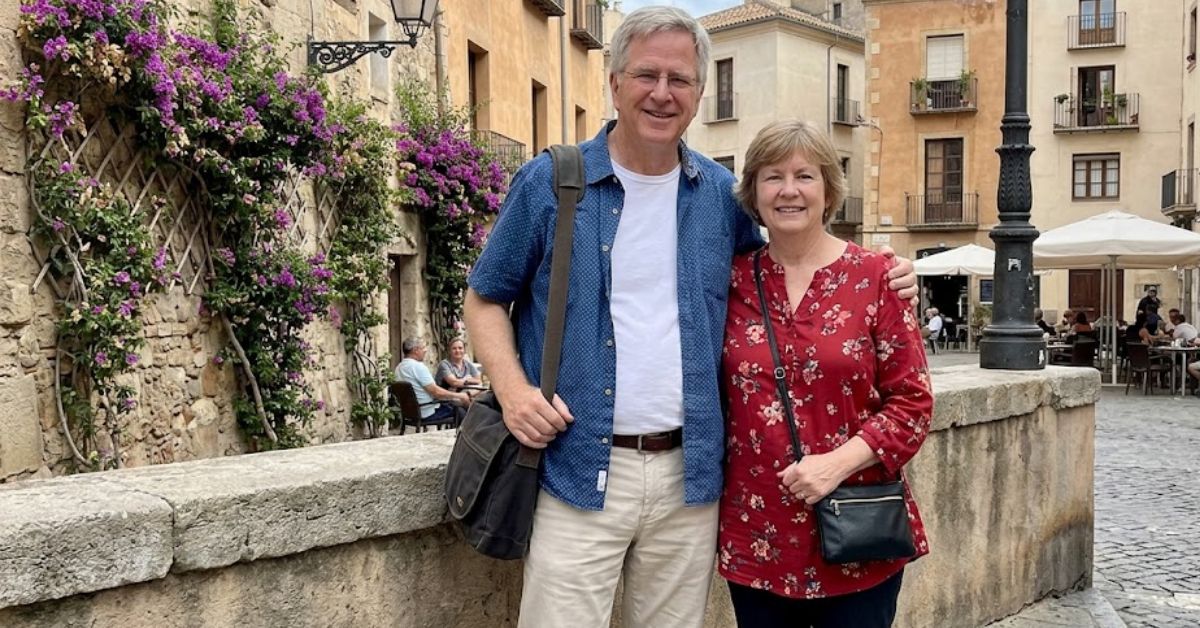
Anne Steves is widely known as the former wife of Rick Steves, the American guidebook author and host associated with public television travel programming. Older material from Rick’s own website shows Anne participating in family life and travel experiences with their children. The public record, however, offers limited independent biographical information about her education, career, or activities outside the family.
The marriage ended in divorce in 2010, according to widely cited public biographies. Rick has since discussed the personal cost of building a travel-centered career. In a New Yorker interview, he said extensive work and time away affected his parenting and relationship, eventually contributing to divorce. His comments describe his own experience; they should not be presented as Anne’s account of the marriage.
The most supportable facts about the marriage are:
- Anne and Rick were married for more than two decades.
- They raised two children together.
- Their marriage ended in 2010.
- Rick has acknowledged that his demanding career affected family relationships.
- Anne has not offered an equally detailed public account of the divorce.
Family Life, Children, and Privacy
Rick and Anne had two children, Andy Steves and Jackie Steves. Rick’s archived blog posts identify both children by name and describe family travel, school milestones, and periods when the parents were adjusting to an increasingly empty home. Andy later developed his own travel-related work, while Jackie appeared in travel writing and family content published through her father’s official platforms and archives.
Beyond those family references, credible public information about Anne remains limited. That absence should not be filled with invented occupations, estimated wealth, current relationships, or unsupported claims about where she lives. Her low profile is itself an important fact for responsible coverage. A trustworthy biography should distinguish confirmed details from repeated internet assumptions and avoid turning privacy into a supposedly hidden personal story.
| Family member | Publicly documented connection |
|---|---|
| Rick Steves | Former husband and travel media personality |
| Andy Steves | Son who later pursued travel-related work |
| Jackie Steves | Daughter featured in family travel content |
| Anne Steves | Former spouse who largely remained outside the spotlight |
A responsible publishing checklist should confirm that the content:
- Separates verified facts from rumors.
- Does not estimate her net worth without evidence.
- Does not invent a current occupation or relationship.
- Does not attach the visual artist’s photographs to the family profile.
- Attributes Rick’s reflections to Rick rather than to Anne.
Anne Steves the Visual Artist
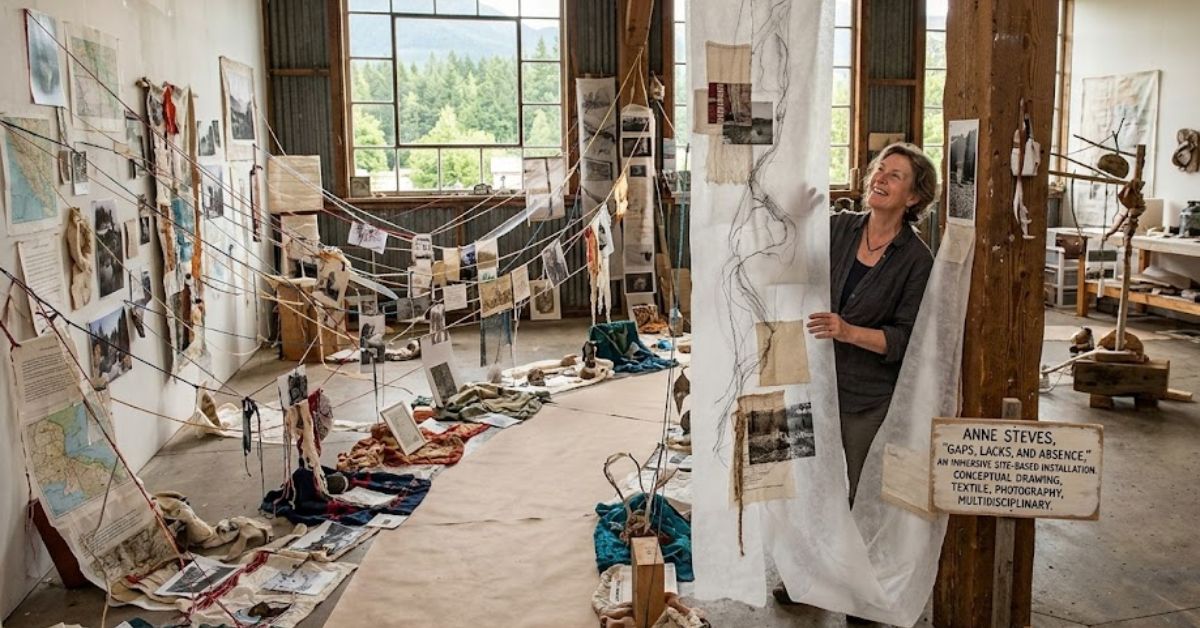
The artist Anne Steves is a Welsh-Canadian multidisciplinary practitioner living in Cumberland, a village on Vancouver Island in British Columbia. Institutional biographies state that she earned an undergraduate degree in Visual Arts from Emily Carr University of Art and Design and a Master of Fine Arts in Studio Practices from the University of Victoria. Her work has appeared in Canada and the United Kingdom.
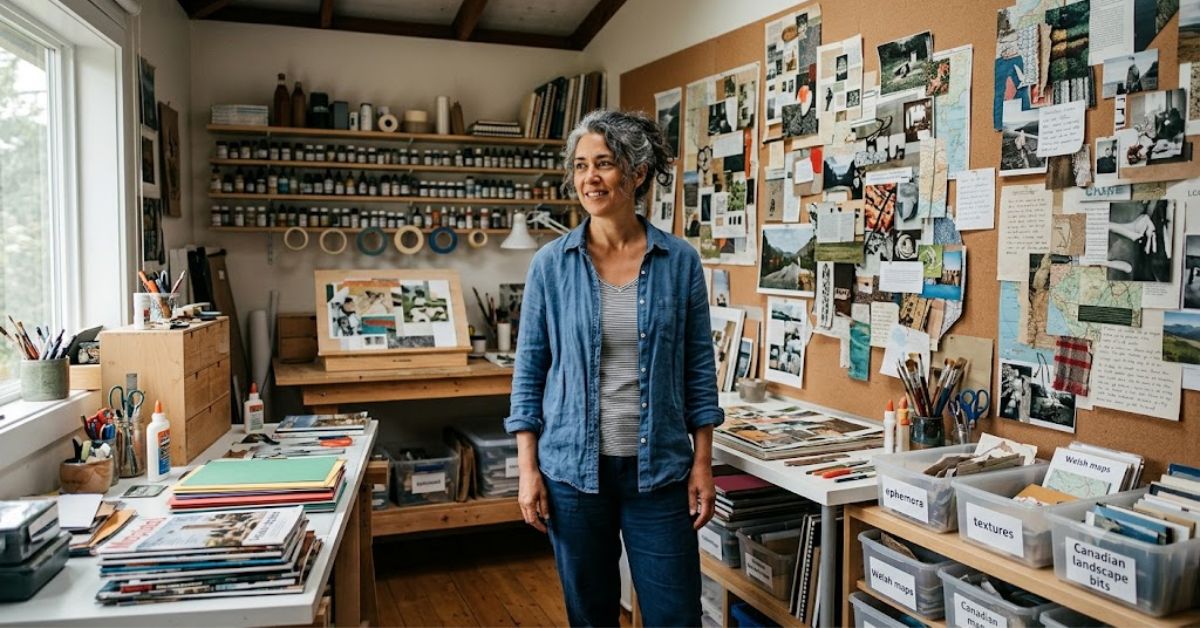
Her practice combines material processes, social engagement, digital outreach, and artist residencies. Textiles, paper collage, photography, embroidery, handwriting, string games, lure-making, and storytelling have all appeared in her projects. Childhood crafts from Wales influence how she approaches place, memory, repetition, and connection. Rather than treating craft as decoration, she uses familiar handwork to examine how people build belonging within changing environments.
| Aspect | Documented details |
|---|---|
| Background | Welsh-Canadian artist |
| Current base | Cumberland, Vancouver Island, British Columbia |
| Undergraduate education | Emily Carr University of Art and Design |
| Graduate education | University of Victoria |
| Common methods | Textiles, collage, photography, embroidery and storytelling |
| Recurring themes | Belonging, place, memory, repetition and connection |
| Working approach | Site-based projects, residencies and community engagement |
Her site-based practice has frequently developed through residencies and exchanges with communities. Arts profiles also describe how repetitive crafts can connect people to particular places while providing stability in changing social and geographic environments.
Flight [Cage] and Her Artistic Themes
Flight [Cage] was presented at ODD Gallery in Dawson City, Yukon, from October 24 to December 7, 2024. The installation featured life-size tufted wool rugs, photographs, and written reflections based on images of dead birds. By transforming those images into soft, touchable forms, the artist created a safer physical encounter with subjects that usually provoke avoidance, sadness, discomfort, or emotional distance.
The exhibition explored life, loss, empathy, and avian connection without reducing the birds to symbols alone. Photographs showed the artist mirroring their final poses, while the rugs invited viewers to consider touch, scale, and bodily identification. The work also fits her broader interest in distance and contact: how people approach other beings, how material processes create emotional access, and how connection can remain complicated.
Key elements of the exhibition included:
- Human-scale, hand-tufted bird rugs
- Photographs of the artist mirroring birds’ positions
- Personal written reflections
- Tactile interaction within the gallery
- Questions about mortality and emotional discomfort
- Human-animal connection and empathy
The title Flight [Cage] suggests a tension between movement and confinement. It also complements an installation in which viewers encounter birds through objects that feel soft and approachable, even though the original images represent death and physical stillness.
How to Separate the Two Profiles Online
Readers can separate the two profiles by checking the source before accepting a claim. Family information should come from Rick Steves’ archived material, direct interviews, or well-sourced biographies. Artistic information should come from the artist’s website, galleries, universities, residency programs, or arts publications. Pages that combine divorce details with rug-tufting exhibitions are likely merging unrelated identities and should not be trusted without verification.
Image checking is equally important. A studio portrait surrounded by collage, textiles, or installation work likely depicts the artist, not Rick Steves’ former spouse. Likewise, an older family travel photograph does not document the contemporary artist’s career. Publishers should verify captions, dates, locations, and original hosting pages before reuse, especially because inaccurate image pairing can spread faster than corrections across biography websites.
Use these steps when reviewing a search result:
- Look for identifying terms such as “Rick Steves” or “Cumberland.”
- Open the original source instead of relying only on the search snippet.
- Check whether the source is a travel archive, gallery, or arts institution.
- Match photographs to the original caption and hosting page.
- Reject pages that combine both profiles without explaining the distinction.
Conclusion
Anne Steves is not one simple biography. The name refers in public search results to Rick Steves’ private former wife and to a Welsh-Canadian interdisciplinary artist with a substantial exhibition and residency record. The first profile is best understood through verified family references and respectful limits. The second can be explored through documented education, materials, site-based projects, and institutional arts coverage.
The key is accuracy rather than speculation. Rick Steves’ ex-wife is connected publicly to a long marriage, two adult children, and a life largely outside media attention. The artist is connected to Cumberland, textile-centered methods, questions of belonging, and installations such as Flight [Cage]. Keeping those identities separate gives readers a clearer, fairer, and more useful answer to the search for Anne Steves.